Live Dental Webinars
(Showing Next 5 Upcoming)
|
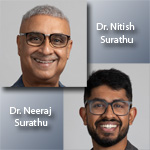
 Digital Implant Surgery: How 3D Printing changes the Guided Surgery Workflow Digital Implant Surgery: How 3D Printing changes the Guided Surgery Workflow
Presenter: Dr. Nitish Surathu and Dr. Neeraj Surathu
Sponsor: Rapid Shape
| Tue |
10/27/26 |
7:00 PM ET
4:00 PM PT
|
| Tue |
10/27/26 |
11:00 PM UTC
|
|
CE Credits: 1 Interactive CEU
|
|
This CE webinar explores how 3D printing is transforming the digital workflow for guided implant surgery, from treatment planning through surgical guide fabrication and implant placement. Participants will learn how to integrate CBCT and intraoral scan data, evaluate implant planning software, and develop predictable treatment plans using digital technology. The webinar will also cover the design, 3D printing, and post-processing of surgical guides and restorations, with a focus on applying guided surgery protocols to improve implant accuracy, efficiency, and patient outcomes.

|
From Inspection to Resolution 2026: Real Cases of How Dental Practices Navigated OSHA Investigations
Presenter: Dr. Karson Carpenter
Sponsor: Compliance Training Partners
| Wed |
10/28/26 |
7:00 PM ET
4:00 PM PT
|
| Wed |
10/28/26 |
11:00 PM UTC
|
|
CE Credits: 1 Interactive CEU
|
|
In this one-hour CE webinar, Dr. Karson Carpenter, president of Compliance Training Partners, will review actual OSHA inspection cases that he and his technical team have been involved with in the last 12 months. The webinar will show actual citations and how the inspection progressed from notification of inspection to onsite visit, receipt of fine, and resolution.
|
Digital Workflows for Predictable Adult Orthodontic-Restorative Treatment Implementing a Digital Ecosystem
Presenter: Dr. Melissa Shotell
Sponsor: ClearCorrect
| Thu |
10/29/26 |
7:00 PM ET
4:00 PM PT
|
| Thu |
10/29/26 |
11:00 PM UTC
|
|
CE Credits: 1 Interactive CEU
|
|
Adult patients are the largest growing population seeking orthodontic treatment. Many adult patients seek clear aligners as an esthetic alternative to traditional bracket and wire treatment. Yet many adult patients present with complex restorative treatment needs that can be complimented by orthodontic treatment for improved clinical outcomes with interdisciplinary treatment plans. Adult patients require a different patient experience and seek convenient and efficient treatment. The course will cover the basics of aligner design, materials, and mechanical advantages to understand the importance of product selection in complex adult treatment plans. The CE webinar will also explore the digital workflow and digital ecosystem for office efficiency and optimal patient experience. After the webinar, the attendee should be able to evaluate and select an aligner system for complex interdisciplinary cases, and evaluate how to implement a digital workflow for enhanced treatment planning and patient experience.

|
Smarter Smile Design: Align, Whiten, and Restore
Presenter: Dr. Nicholas Garcia
Sponsor: uLab Systems
| Mon |
11/2/26 |
7:00 PM ET
4:00 PM PT
|
| Tue |
11/3/26 |
0:00 AM UTC
|
|
CE Credits: 1 Interactive CEU
|
|
In this CE webinar, join Dr. Nicholas Garcia for a practical discussion on integrating clear aligners into everyday esthetic dentistry - particularly for patients considering whitening, veneers, or other cosmetic improvements. Using a scan-first approach, Dr. Garcia will demonstrate how he evaluates tooth position, spacing, and occlusion before developing a treatment plan. Attendees will learn how to determine when to align, when to restore, and when combining treatments may create a more conservative and predictable path to the desired esthetic outcome. The webinar will provide a straightforward framework for recognizing anterior esthetic aligner opportunities, sequencing complementary services, and confidently presenting comprehensive treatment options to patients.
|
Oral Cancer Screening: It’s More Than Grasping the Tongue
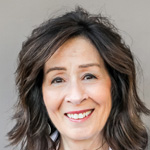
Presenter: Susan Cotten, BSDH, RDH, OMT
Sponsor: VOCO America
| Tue |
11/3/26 |
7:00 PM ET
4:00 PM PT
|
| Wed |
11/4/26 |
0:00 AM UTC
|
|
CE Credits: 1 Interactive CEU
|
|
Both dental hygienists and dentists play an important role in the early detection of oral cancer, yet there is a critical gap in screening protocols. After performing an oral cancer screening, patients often say, "No one has ever done that before." This CE webinar breaks down the components of a comprehensive visual and tactile, extraoral, and intraoral evaluation, and the signs and symptoms associated with oral and oropharyngeal cancer as an important component in screening. Using Susan’s instructional screening videos and case presentations, attendees will learn proper extraoral palpation, the importance of identifying lymphadenopathy, evaluation of the thyroid gland, and the oropharynx. ADA and ADHA oral cancer policies and coding will be reviewed.
A comprehensive oral cancer screening isn’t optional. Let’s close the gap together, elevate the standard of care in screening, calibrate dental professionals nationwide, and increase early detection. Attendees will leave inspired and with a renewed commitment to performing this life-saving evaluation – every patient, every visit.
Featured On-Demand CE Webinars
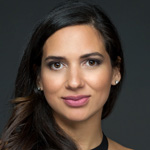
Provisional restorations are a vital diagnostic and assessment tool. Function, color, shape, contour, occlusion, periodontal response, implant healing, and overall esthetics can be assessed with a well made provisional restoration. Accurate fit and margins are essential. Many clinicians make their provisionals utilizing bisacryl material and a pre-made stent. Lab made provisionals that are re-lined are also used. Printing your provisionals can save both time and money. Producing esthetic, well fitting, functional provisional restorations can be simply and efficiently done with your in-office 3D printer.
This CE webinar offers a comprehensive exploration of techniques for managing enamel defects including molar incisor hypomineralization (MIH). Focusing on the causes, diagnosis and treatment of white spot lesions and hypo mineralised enamel. Attendees will gain insight into the treatment process and protocols for MIH using the latest advancements in resin infiltration and 3D printing custom bleaching trays.
Have you ever thought that there may be a better way to provide dental hygiene care to our patients? Have you ever asked yourself why we are suffering from an oral health crisis in America in the year 2024? This CE webinar will help to provide a comprehensive approach to elevating the dental hygiene appointment for both the patient and the clinician using Guided Biofilm Therapy. This webinar will discuss utilizing the GBT protocol with your patients as a treatment for oral and systemic health. Sarah discusses the disconnect between dentistry and medicine as she helps to align the goals of the Dental Hygiene appointment and discussing the importance of effectively removing biofilm as the culprit that induces an inflammatory burden on the body. Sit back and listen as Sarah explains how to integrate the eight steps of Guided Biofilm Therapy into the Dental Hygiene appointment. Sarah has been using the guided biofilm therapy from EMS with exceptional results. Listen as she shares her tips and tricks on what to say to the patient and brings her expertise and knowledge on what we can do to enlighten our patients on the connection of oral health and systemic health.
Featured Podcast Episodes
 Series: Bisco
CE Credits: 0.5
Series: Bisco
CE Credits: 0.5
Guest: Dr. John Gammichia
|
Today we’re chatting with Dr. John Gammichia, a general dentist who’s made a name for himself saving what many would call “bombed out” teeth — all with conservative, direct composite. We’ll dive into how he handles deep decay and pulp exposures, the materials and techniques that make it possible, and how his approach has become a real practice builder — showing that fee-for-service dentistry focused on preserving tooth structure can be both patient-centered and profitable.
 Series: VOCO America
CE Credits: 0.5
Series: VOCO America
CE Credits: 0.5
Guest: Dr. Dimple Desai
|
Crafting beautiful veneers isn’t just about technical skill—it’s about ensuring that every step of the process leads to a result that your patient will love. So, how do we achieve that? Stay tuned as we break down strategies and tips for mastering this process to give every patient a confident, beautiful smile they’ll love! Our guest is Dr. Dimple Desai, founder of Luminous Smiles of Newport Beach, a boutique dental practice dedicated to enhancing patients' smiles. As an Accredited Member of the American Academy of Cosmetic Dentistry, she belongs to a distinguished group of professionals worldwide. Her contributions to dentistry include publications in prestigious dental journals and international speaking engagements, leveraging her expertise to advance the field.
Series: VOCO America
CE Credits: 0.5
Guest: Dr. Foroud Hakim
|
In today’s episode, we’re focusing on one of the most critical — and often overlooked — elements of clear aligner therapy: clear aligner attachments. If you’ve ever dealt with aligners that don’t seat, patients who fall behind in treatment, or cases that just aren’t progressing as planned, we’ve got some troubleshooting tips you won’t want to miss. Our guest is Dr. Foroud Hakim. He has maintained a private dental practice for over 30 years, is a sought after key opinion leader and speaker and is a highly respected consultant for new product evaluation and development.






 3D Print Your Provisionals for Better Fit, Better Esthetics, and Convenience